Reference estate · enterprise patterns
Sovereign architecture
Enterprise patterns for organisations that intend to own their AI: one identity fabric, controlled edges, a business spine, a governed AI control plane, and end-to-end observability — under a single operational policy. We run a live reference estate so the patterns are proven before they transfer to your infrastructure. Product choices are interchangeable; the architecture is not.
What “sovereign” means here
Not a logo, not an ideology. Four properties a system must satisfy:
Cost under your control.
Inference runs on hardware you own; the marginal cost of an extra request falls as you scale, instead of a per-token price that can move without your consent.
Data that stays in the building.
Ingestion, retrieval, and generation all happen inside your perimeter. The only thing that leaves is the answer, delivered to whoever asked.
Traceability.
For any request: who asked, what was sent, which model handled it, what context was retrieved, what came back, what it cost. A queryable record — not “probably”.
Policy you version.
You decide which models run, which data a request may touch, and when behaviour changes — and changes move through the same review a code change does, not through someone else’s changelog.
A proposal that can’t be mapped to all four is using the word decoratively.
Enterprise pillars
Identity fabric
One corporate identity for people and machines. Browser apps federate to the same sign-in; privileges are issued once and revoked centrally — not scattered across local accounts. Machine clients get scoped, revocable credentials, never long-lived shared keys.
Controlled access
Operators reach the estate through a private mesh and internal DNS. Public exposure is intentional and minimal; admin planes stay off the open internet by default.
Business spine
ERP, service desk, and delivery share the same identity and tenancy model. Work, customers, and change flow through systems of record — not inboxes and spreadsheets.
AI control plane
Every model client talks to one governed gateway. Tools and data planes are allowlisted. Bare-metal inference sits behind that gateway, network-segmented from the rest of the estate — no client ever reaches a GPU node directly.
Operator agents
Assistants and automation act through the same gateway and the same inventory as your people. They inherit identity, network policy, and audit — and they change nothing without the same review a human would. They do not invent a second estate.
Assurance, under everything
Immutable audit trails, per-request cost metering, a secrets vault, and SIEM/IDS visibility. This is the difference between claiming sovereignty and proving it.
How the estate is run
Shell and load are separate concerns. Infrastructure code owns the shells — the machines. Git owns what runs on them. Shells can be rebuilt without destroying data identity; applications evolve without forcing a host recreation.
Desired state lives in version control, and change is deliberate. Every change is reviewed before it runs. Plans are machine-checked against the live estate with a replace gate — a production resource cannot silently disappear under an accidental plan. Apply is a manual, reviewed act, for infrastructure and for workloads. No auto-merge, no auto-apply. We will not promise either.
Secrets are issued, not stored. Automation credentials come from vault roles scoped per job; nothing sensitive lives in the code repository.
Clients never bypass the AI edge. Tool backends accept traffic only from the gateway — enforced at the network level, not the application level. The hub-and-spoke is a firewall rule, not a convention.
Reference surfaces
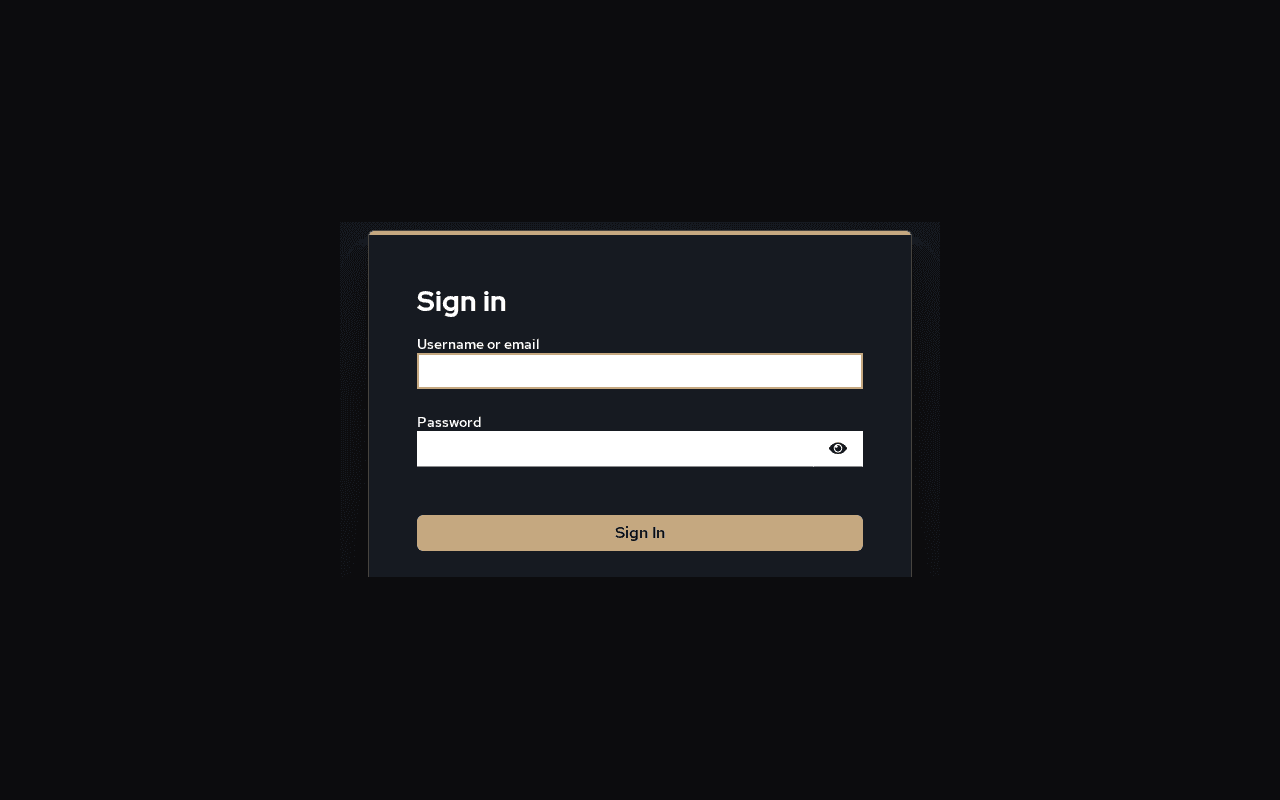
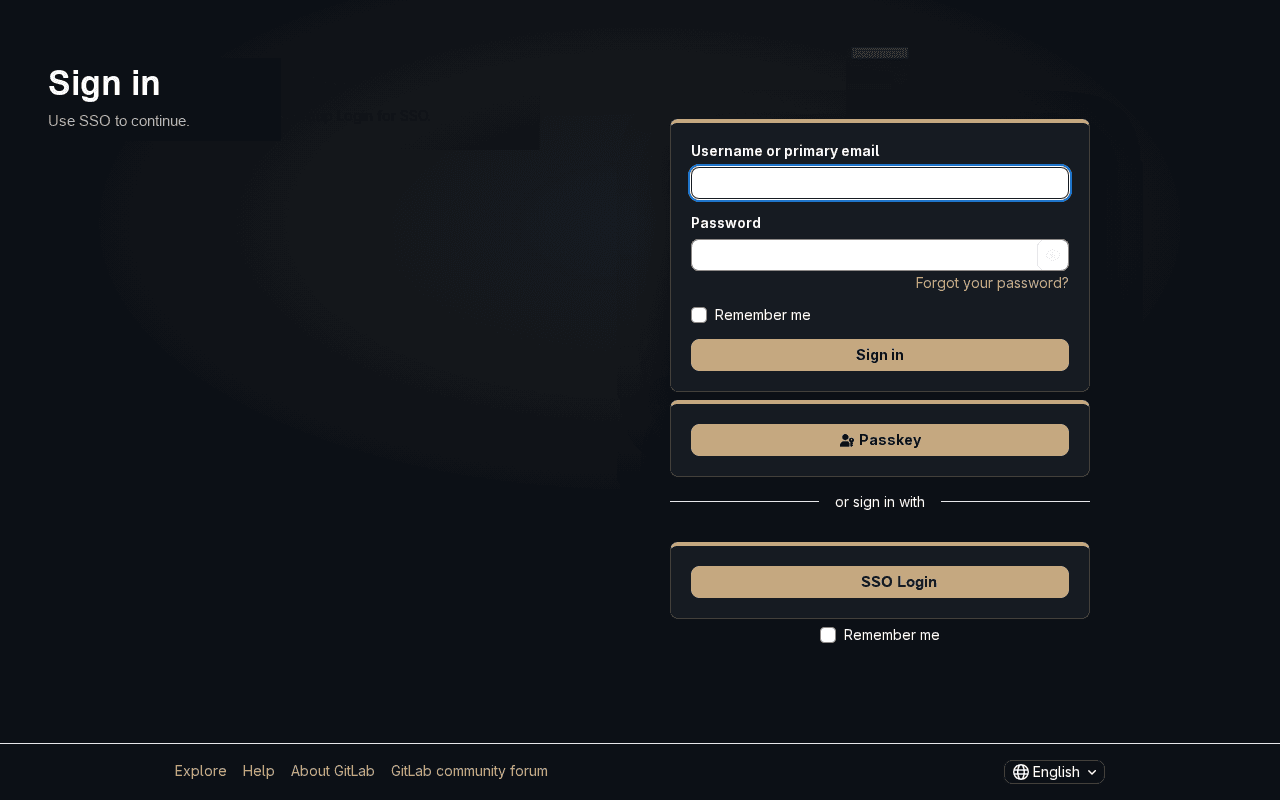
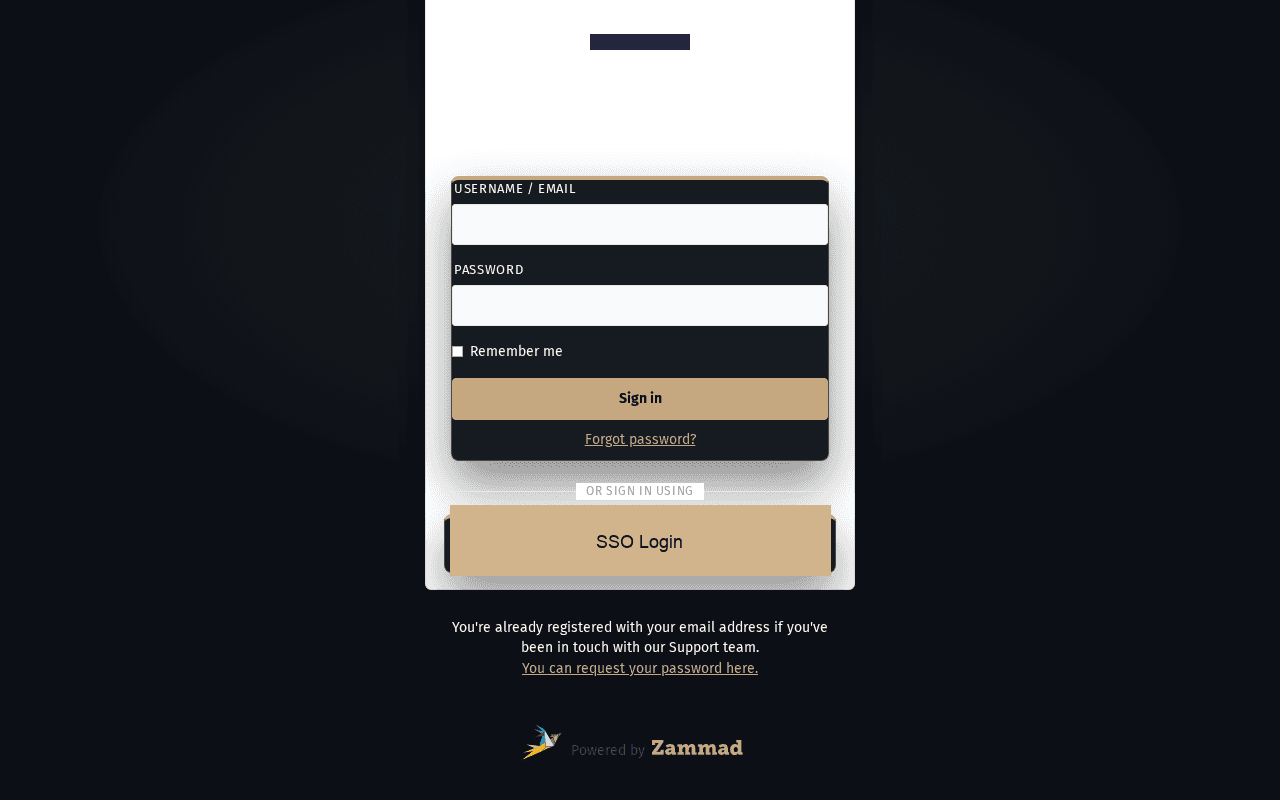
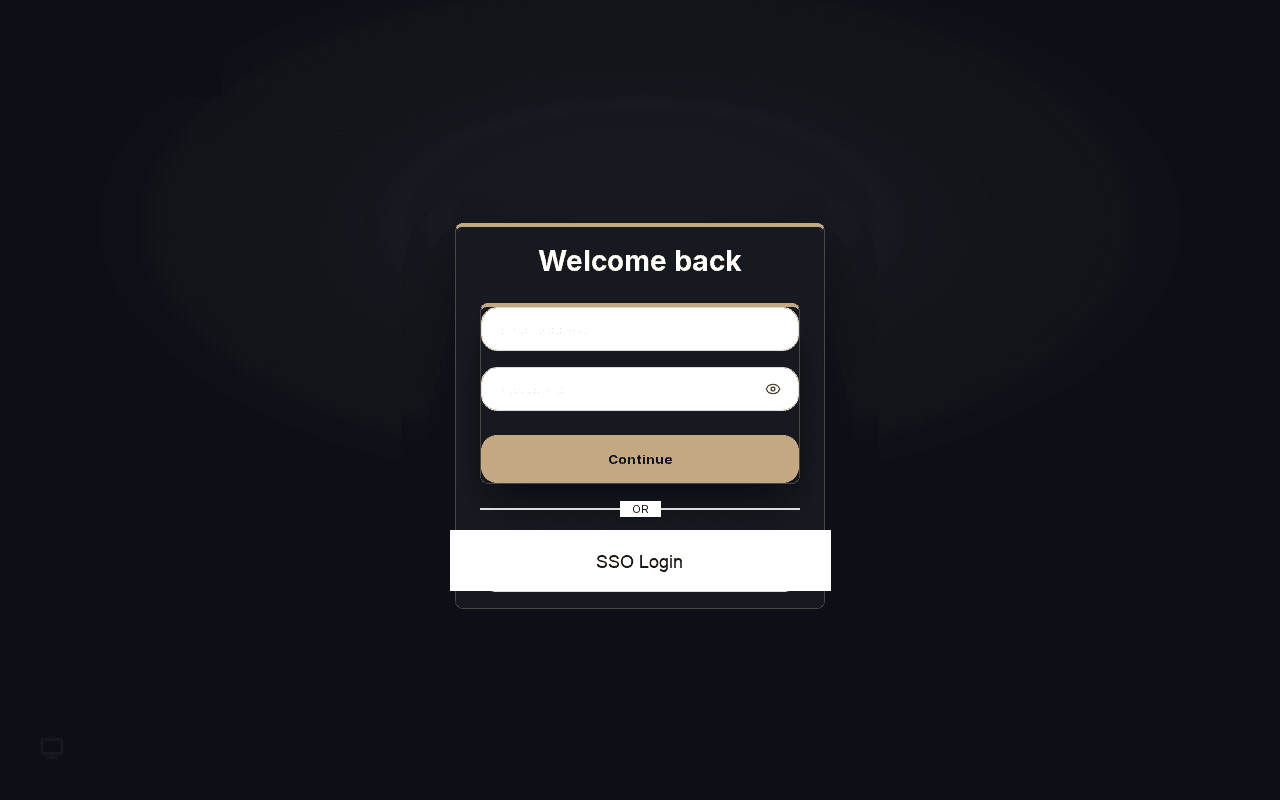
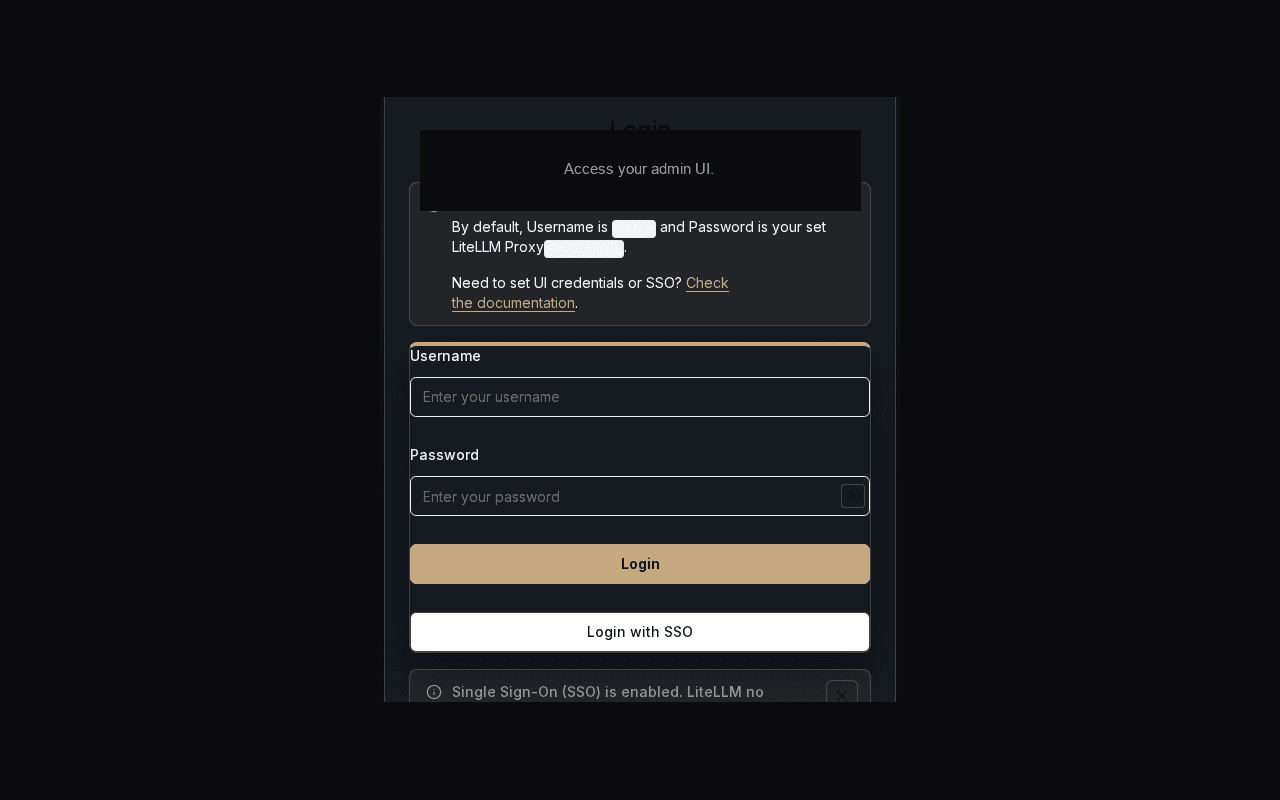
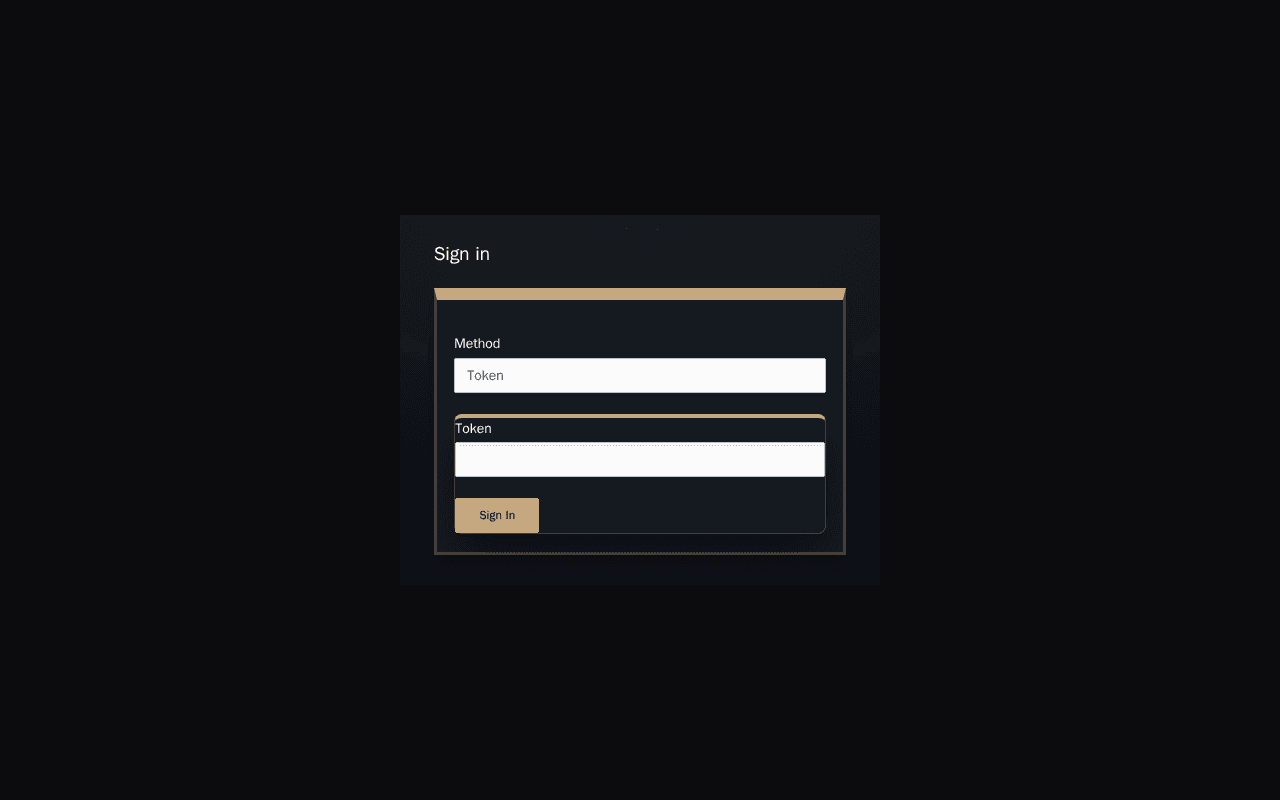
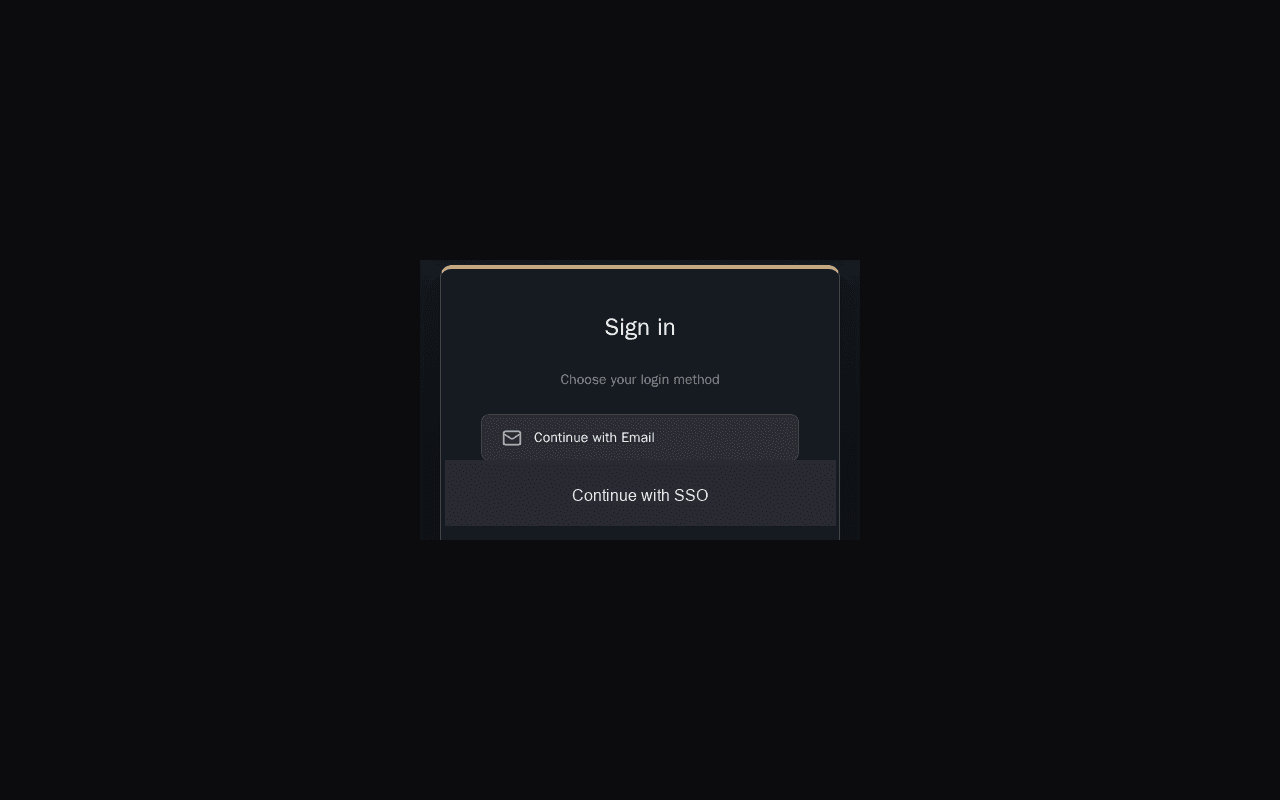
Public-safe login and landing shells that show the estate’s identity standard across every plane:
The identity provider · the delivery platform · the service desk · the operator assistant · the AI control plane · the secrets vault · the mesh edge.
No tickets, mail, keys, or internal addresses. Captured against an allowlisted runbook.
Reference estate · public safe
What “live” means here
- Unified mail boundary — support, ERP, and vault channels share one organisational mail boundary.
- Closed loop — service desk ↔ delivery work items ↔ customer portal, without copy-paste between tools.
- Operator walkthrough — a private forty-five-minute runbook (raw admin screens stay offline).
- Secrets control plane — automation and deploy credentials issued from vault roles, not static project tokens.
- Named interim state — host telemetry into the SIEM is live; switch SPAN for full packet mirror is still interim. A platform that cannot admit interim state is not sovereign — it is brittle theatre.
The series
Sovereign AI — Owning Your Intelligence at Enterprise Scale. Ten articles walking this architecture end to end: why renting costs what it costs, what “sovereign” must satisfy, the full stack, inference, data, retrieval, orchestration, traceability, security & governance, and the roadmap with the real economics. Each stands alone.
Read the series →